
These guides are here to support you in understanding compulsive habits and building healthier, more stable routines without shame, pressure, or judgment.
You are not broken. Many habits develop as ways to cope with stress, loneliness, boredom, or emotional overload. Change becomes more possible when those patterns are understood with clarity and compassion.
What these guides focus on
- Understanding why certain habits feel automatic
- Creating simple, realistic routines that support self-control
- Learning how to respond to urges without self-criticism
- Building progress through consistency, not perfection
Each guide is designed to be practical and calm. You don’t need to read everything at once or make drastic changes. Small steps, repeated over time, matter far more than intensity.
A gentle reminder
This content is educational and supportive. It does not replace professional care. If you find that self-guided steps are not enough, seeking help from a qualified professional is a responsible and healthy choice.
Take your time. Start where you are. Progress is allowed to be gradual.
Guide 1: Core Foundation
In this guide
- What does “porn addiction” really mean?
- Is porn addiction real?
- Why is porn so hard to quit?
- What about masturbation — why can it become compulsive?
- The cycle that keeps people stuck
- Why shame makes the problem worse
Start Here: Understanding Porn and Masturbation Habits
If you’re here, it likely means you’ve noticed a pattern you don’t feel comfortable with anymore. Maybe you’ve tried to stop or cut back. Maybe you’ve promised yourself “this is the last time,” only to repeat the same behavior again.
This guide focuses on understanding porn and masturbation habits in a calm, non-judgmental way, with the goal of clarity rather than labels.
This guide exists to help you understand what’s actually happening, without labeling you as broken or weak. Clarity is the first step toward change.
What does “porn addiction” really mean?
The term porn addiction is commonly used, but it can be confusing.
Medically, not all professionals agree on labeling porn use as an “addiction” in the same way as substances. However, many people experience loss of control, compulsive use, and repeated relapse, which feel very real regardless of labels.
A more accurate way to think about it is this:
Porn becomes a problem when it interferes with your values, time, mental health, relationships, or ability to function the way you want to.
If you feel stuck in a cycle you didn’t choose and can’t easily stop, your experience is valid even if definitions vary.
Is porn addiction real?
What’s real is the struggle.
Research shows that repeated exposure to highly stimulating content can:
- Condition the brain to seek quick dopamine rewards
- Reduce sensitivity to everyday pleasure
- Increase compulsive behavior under stress or boredom
Whether someone calls it an addiction, compulsion, or habit disorder, the impact can be the same: difficulty stopping despite negative consequences.
So the important question isn’t “Is it real?”
It’s “Is this affecting my life in ways I don’t want?”
Why is porn so hard to quit?
Many people underestimate this, and that leads to unnecessary self-blame.
Porn is hard to quit because it combines several powerful factors:
- High stimulation (strong dopamine response)
- Instant access (especially through phones)
- Privacy (no immediate social consequences)
- Stress relief (temporary escape from emotions)
Over time, the brain learns:
“This is a fast, reliable way to feel better.”
That learning doesn’t disappear just because you decide to stop. This is not a lack of willpower, it’s conditioning.
What about masturbation — why can it become compulsive?
Masturbation itself is not automatically harmful. For many people, it’s a normal behavior.
It becomes a problem when it shifts from:
- Choice → compulsion
- Occasional → automatic
- Enjoyment → regret or numbness
Common reasons it becomes compulsive include:
- Stress or emotional overload
- Loneliness or boredom
- Using it to avoid discomfort
- Pairing it repeatedly with porn
When the brain links masturbation to stress relief or escape, it can become a default response rather than a conscious decision.
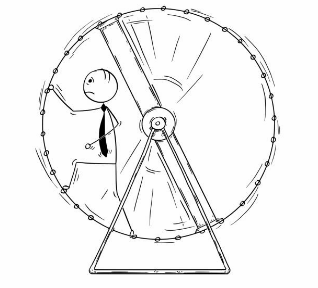
The cycle that keeps people stuck
Most people experience a loop like this:
- Trigger (stress, boredom, loneliness, fatigue)
- Urge or craving
- Porn use or masturbation
- Temporary relief
- Guilt, frustration, or numbness
- Promise to stop
- Another trigger
This cycle reinforces itself over time. Breaking it requires understanding, not punishment.
Why shame makes the problem worse
Shame feels like it should motivate change, but it usually does the opposite.
When someone believes:
- “Something is wrong with me”
- “I’m weak”
- “I should be better by now”
They create more emotional stress — which increases the urge to escape. The behavior then becomes a way to cope with the shame caused by the behavior itself.
This is why harsh self-talk rarely works long-term.
What this guide is (and isn’t)
This guide is:
- An explanation of how habits form
- A foundation for change
- A starting point, not a solution
This guide is not:
- A diagnosis
- A promise of results
- A replacement for professional help
You don’t need to decide everything now. Understanding comes first.
What comes next
In the next guides, you’ll learn:
- How to handle urges without fighting yourself
- How daily structure reduces compulsive behavior
- How to respond to setbacks without giving up
You don’t need to read them in order. You don’t need to rush.
Progress begins with awareness and you’ve already taken that step.
A gentle reminder
If your habits feel overwhelming, emotionally distressing, or tied to deeper mental health concerns, seeking help from a qualified professional is a responsible and healthy choice. Self-guided resources can help, but you don’t have to do this alone.
You Are Not Broken.
You are learning how your habits work and that matters.
If you’d like to continue learning, these following guide may help: