
Guide 5: When to Seek Professional Help
In this guide
- When habits begin to cause harm
- Why self-help sometimes reaches its limits
- What therapy or counseling actually helps with
- Common concerns about seeking help
- When professional support is especially important
- Approaching support thoughtfully
- A calm next step
Self-guided resources can be helpful, especially when habits are mild or situational. Understanding patterns, managing urges, and building structure often lead to meaningful improvement.
However, there are times when self-help is not enough, and seeking professional support becomes a responsible and healthy step, not a failure.
This guide explains when habits may require additional support, what professional help actually involves, and how to think about that decision without pressure or shame.

When habits begin to cause harm
Habits become harmful not because of their label, but because of their impact.
Professional help may be worth considering if:
- Porn or masturbation is interfering with daily responsibilities
- You feel unable to reduce or stop despite repeated attempts
- The habit is affecting relationships, work, or studies
- You experience ongoing distress, anxiety, or low mood
- Guilt or shame feels overwhelming or persistent
When habits consistently reduce quality of life, additional support can provide tools that self-guided approaches cannot.
Why self-help sometimes reaches its limits
Self-help works best when:
- The habit is recent or mild
- Triggers are manageable
- Structure and routines are stable
It becomes harder when:
- Emotional distress is high
- Habits are used to cope with deeper issues
- Isolation or secrecy increases
- Relapse cycles feel discouraging or uncontrollable
Professional support adds external structure, perspective, and accountability, things that are difficult to provide for yourself.
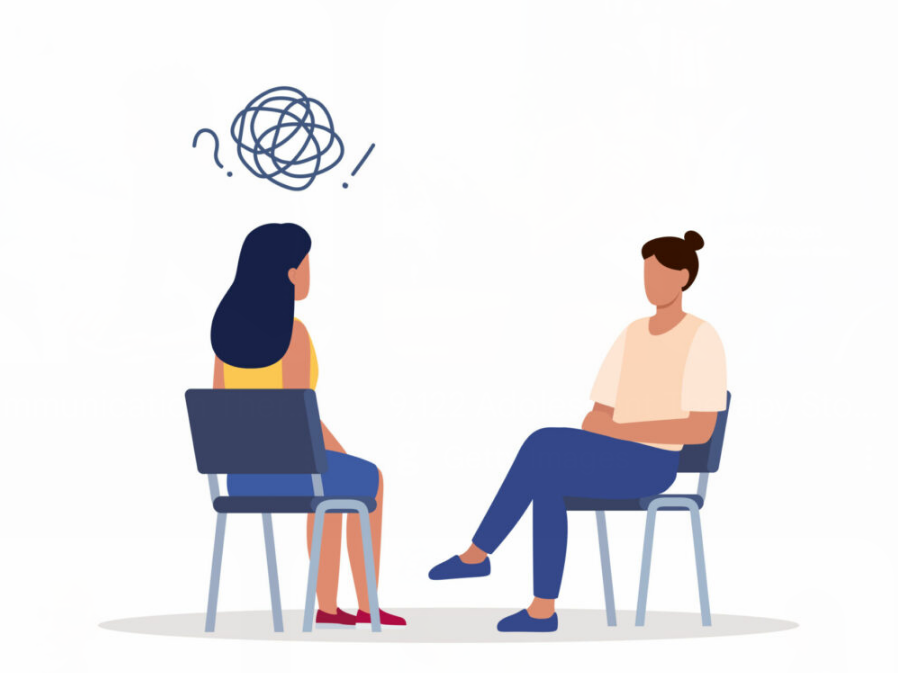
What therapy or counseling actually helps with
Therapy for compulsive habits does not focus on judgment or labels. Instead, it often helps with:
- Understanding emotional triggers
- Developing healthier coping strategies
- Reducing shame and self-criticism
- Addressing anxiety, stress, or underlying mental health concerns
- Building long-term, realistic change
Counseling is not about being told what to do. It is a collaborative process focused on understanding and support.
Common concerns about seeking help
Many people hesitate because they worry that:
- Their problem is “not serious enough”
- Therapy will be uncomfortable or invasive
- Seeking help means they’ve failed
- They should be able to handle it alone
In reality, seeking mental health support is similar to seeking help for any persistent difficulty, it’s about getting the right tools, not admitting defeat.
When professional support is especially important
Consider seeking help sooner rather than later if:
- Habits are tied to depression, anxiety, or trauma
- You feel emotionally overwhelmed or numb
- Thoughts about self-worth or hopelessness are increasing
- The habit feels compulsive rather than chosen
Early support often makes change easier, not harder.

What this site’s role is (and isn’t)
MyBetterHabitsGuide is an educational platform. Its purpose is to:
- Provide clarity and understanding
- Reduce shame around habit change
- Offer practical, self-guided strategies
It is not a replacement for therapy, counseling, or medical care.
When appropriate, professional support should be viewed as a complement, not a last resort.
Approaching support thoughtfully
If you decide to explore counseling:
- Look for licensed, reputable professionals
- Choose services that respect privacy and autonomy
- Take time to find a good fit
- Ask questions, this is your process
Support should feel collaborative and respectful, not pressured.
A calm next step
Not everyone needs professional help immediately. But everyone deserves to know when it may be beneficial.
If self-guided efforts feel insufficient or emotionally draining, seeking support is a reasonable and healthy option.
A final reminder
Needing help does not mean you are broken.
It means you are responding to difficulty with care.